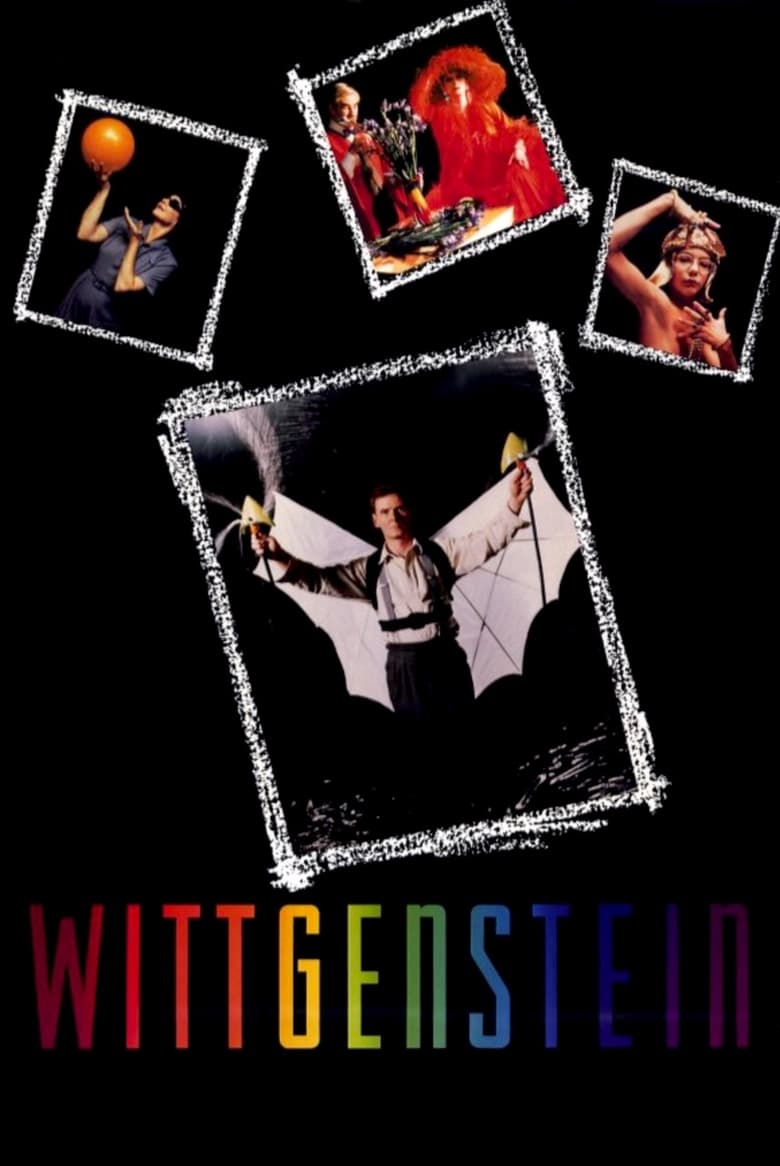
Tabu V (About Which One Cannot Speak)
Tabu V (wovon man nicht sprechen kann)
About which one cannot speak, one must make films. (loosely based on Ludwig Wittgenstein)

Tabu V (wovon man nicht sprechen kann)
About which one cannot speak, one must make films. (loosely based on Ludwig Wittgenstein)

Rated 6.9 on TMDB
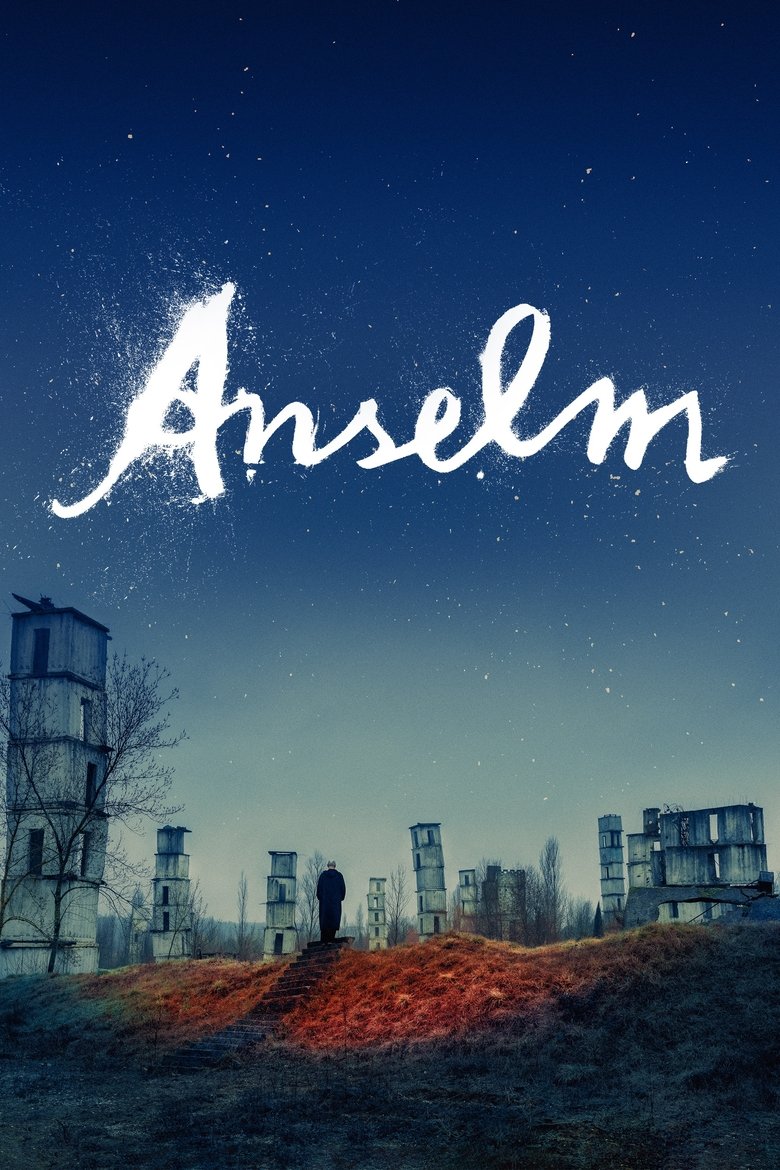
A celebration of the universe, displaying the whole of time, from its start to its final collapse. This film examines all that occurred to prepare the world that stands before us now: science and spirit, birth and death, the grand cosmos and the minute life systems of our planet.

Rated 6.8 on TMDB
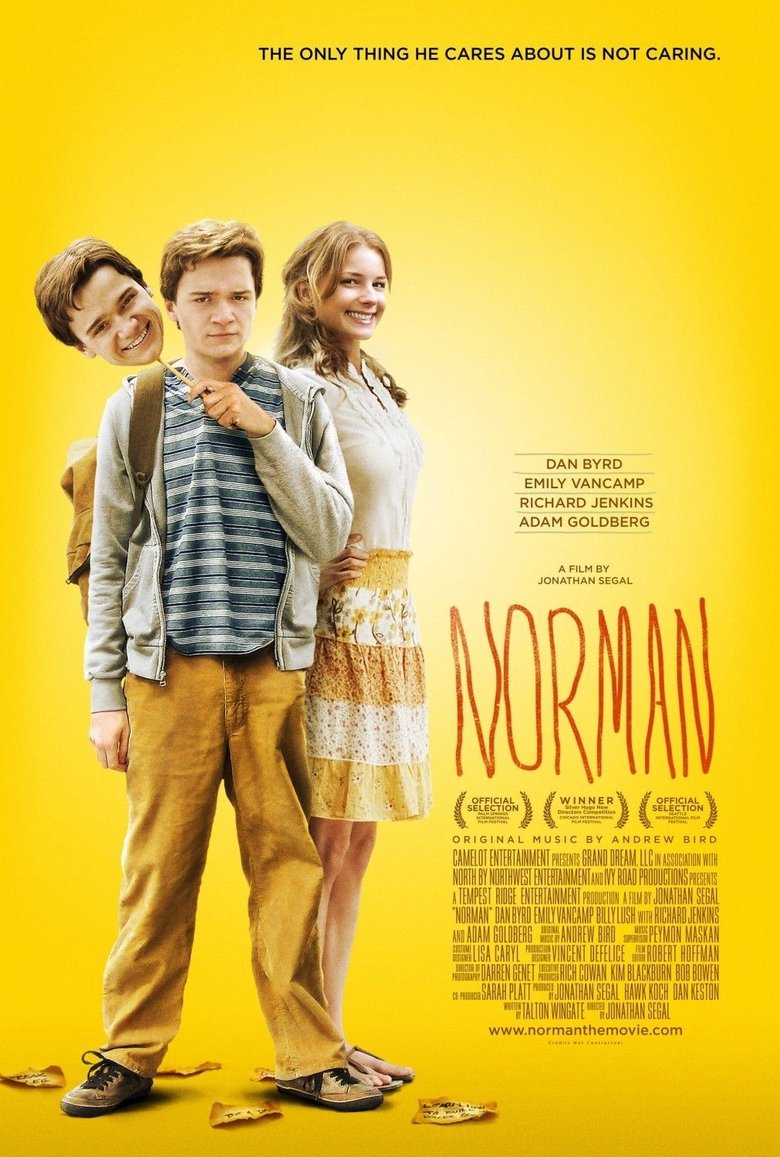
A pampered American oyster tycoon decides to buy a husband for his daughter, but things don’t go quite as planned. Along the way there are mishaps, misunderstandings and a foxtrot sequence that must be seen to be believed.

Rated 6.9 on TMDB
A purely observational non-fiction film that takes viewers into the ethically murky world of end-of-life decision making in a public hospital.

Rated 6.9 on TMDB
While attending a retrospect of his work, a filmmaker recalls his life and his loves: the inspirations for his films.
Rated 7.4 on TMDB
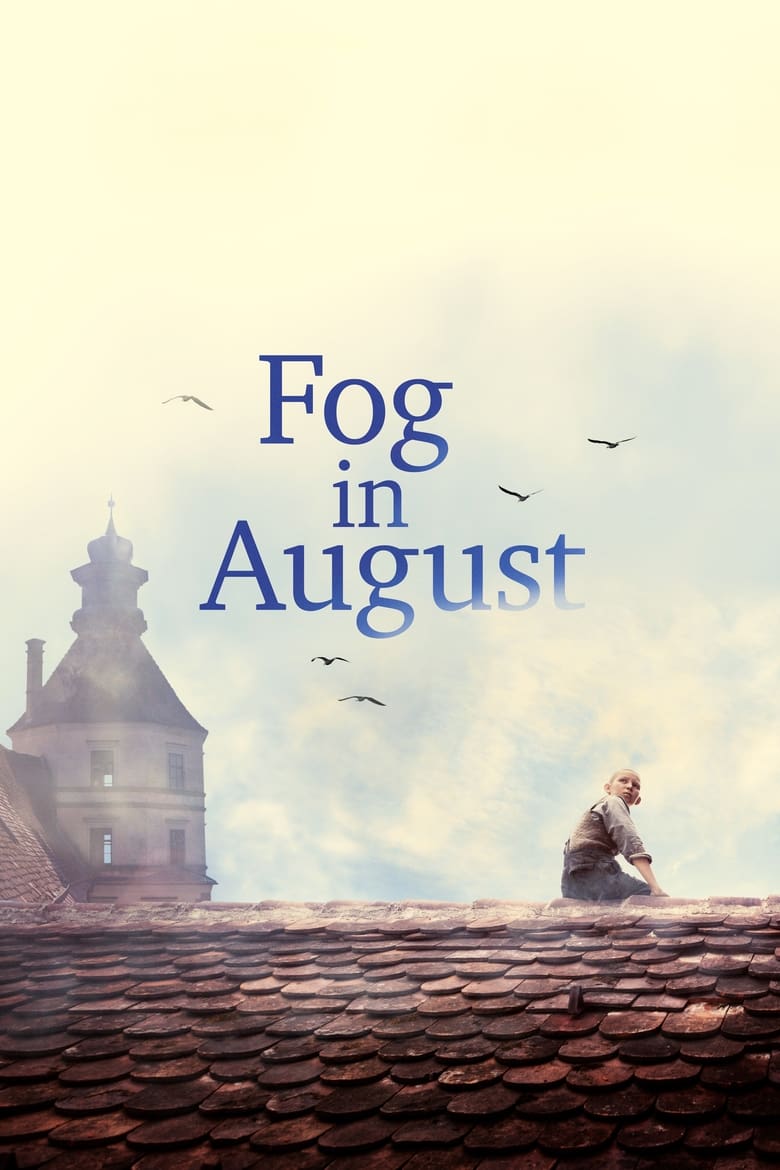
A Yenish boy is placed in a mental hospital and experiences the Nazi euthanasia program. Aware of what was happening and attached to friends, the lad attempts to sabotage the program. The film addresses the complexities of the program director, the lives of the child victims, and the struggles of the child protagonist. More than five thousand children died in the Nazi euthanasia program.
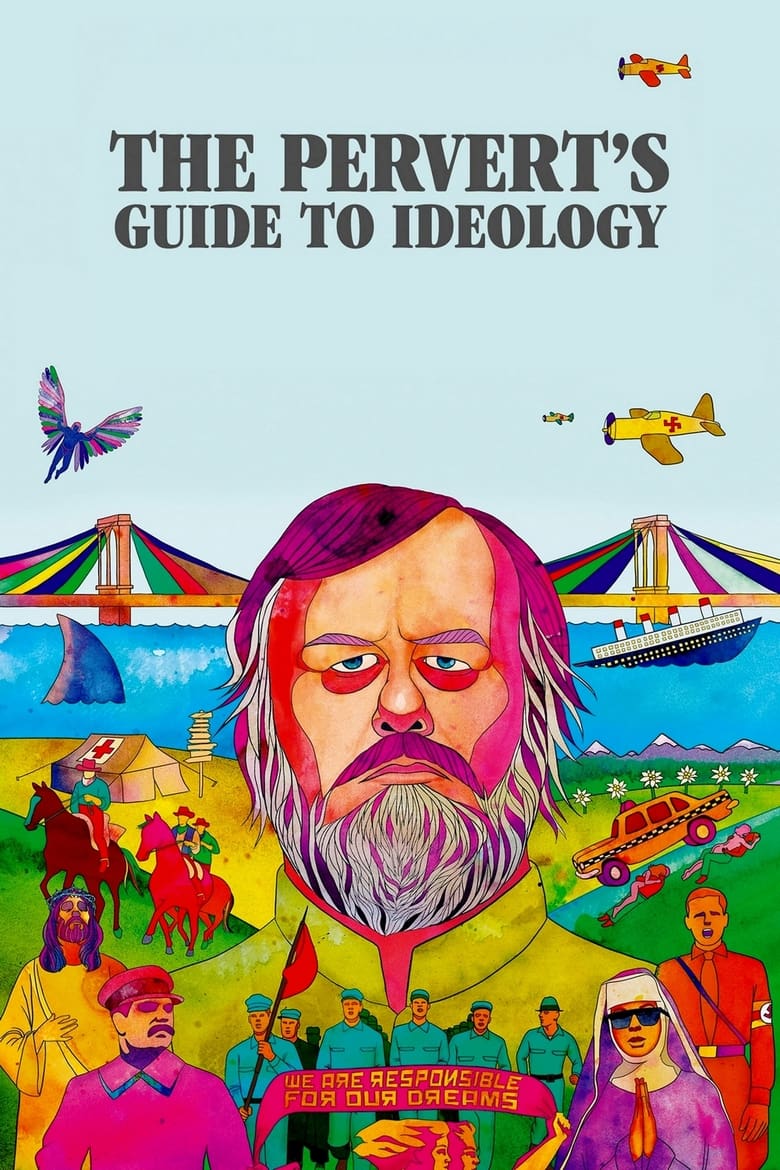
Rated 7.3 on TMDB
A journey into the labyrinthine heart of ideology, which shapes and justifies both collective and personal beliefs and practices: with an infectious zeal and voracious appetite for popular culture, Slovenian philosopher and psychoanalyst Slavoj Žižek analyzes several of the most important films in the history of cinema to explain how cinematic narrative helps to reinforce prevailing ethics and political ideas.