Rated 6.0 on TMDB
Here We Go Again
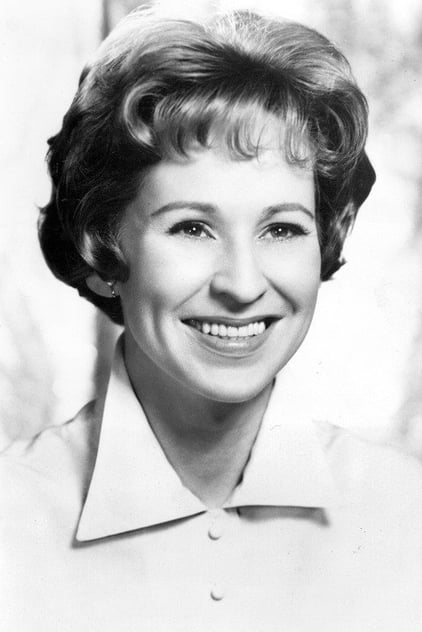
Here We Go Again is an American sitcom that aired on ABC from January to April 1973 on Saturday Night at 8:00pm. The show, produced by Metromedia/Bobka Productions, ran for 13 episodes.

Rated 6.0 on TMDB
Here We Go Again is an American sitcom that aired on ABC from January to April 1973 on Saturday Night at 8:00pm. The show, produced by Metromedia/Bobka Productions, ran for 13 episodes.
Rated 8.0 on TMDB
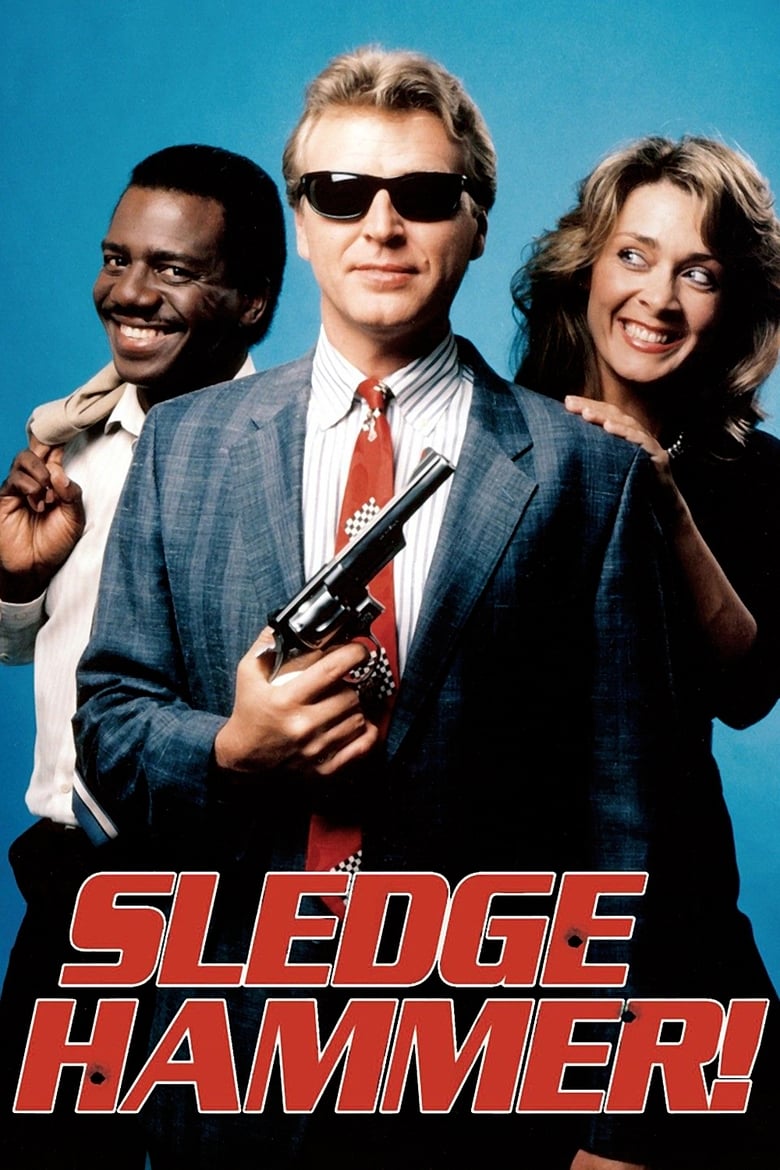
Sledge Hammer! is an American satirical police sitcom produced by New World Television that ran for two seasons on ABC from 1986 to 1988. The series was created by Alan Spencer and stars David Rasche as Inspector Sledge Hammer, a preposterous caricature of the standard "cop on the edge" character. Al Jean and Mike Reiss, best known for their work on The Simpsons, wrote for the show and worked as story editors.
Rated 6.0 on TMDB
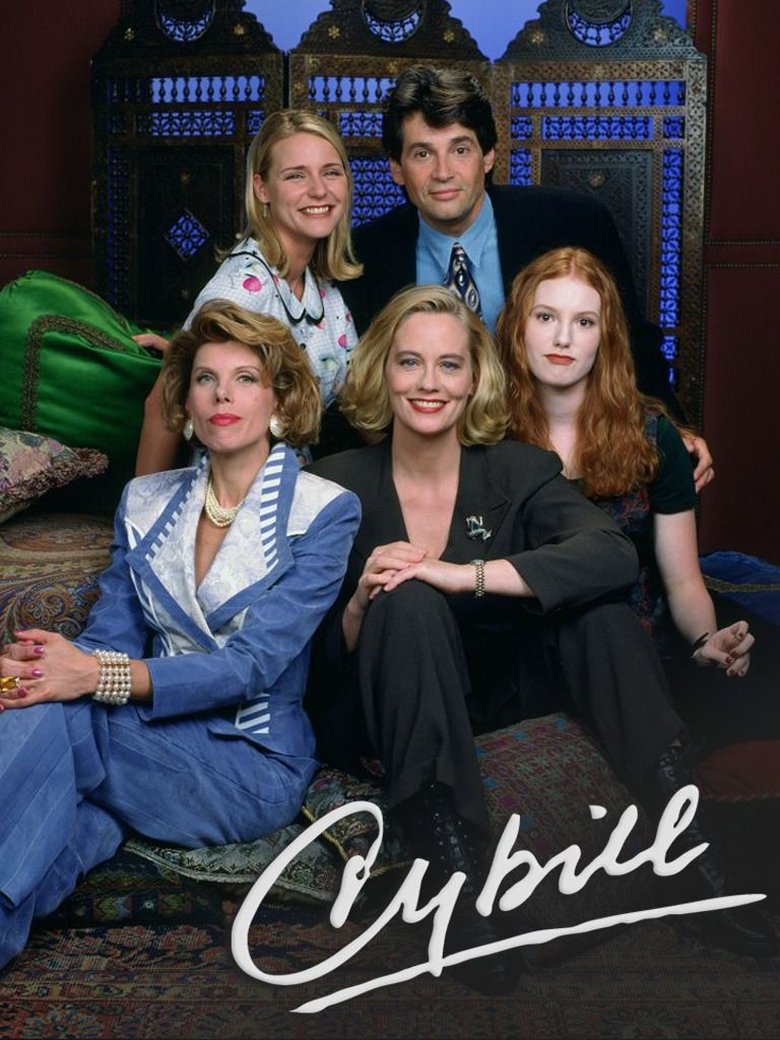
Cybill is an American television sitcom created by Chuck Lorre, which aired on CBS from January 2, 1995, to July 13, 1998. Starring, Cybill Shepherd, the show revolves around the life of Cybill Sheridan, a twice-divorced single mother of two and struggling actress in her 40s, who has never gotten her big show business break.
Rated 7.6 on TMDB
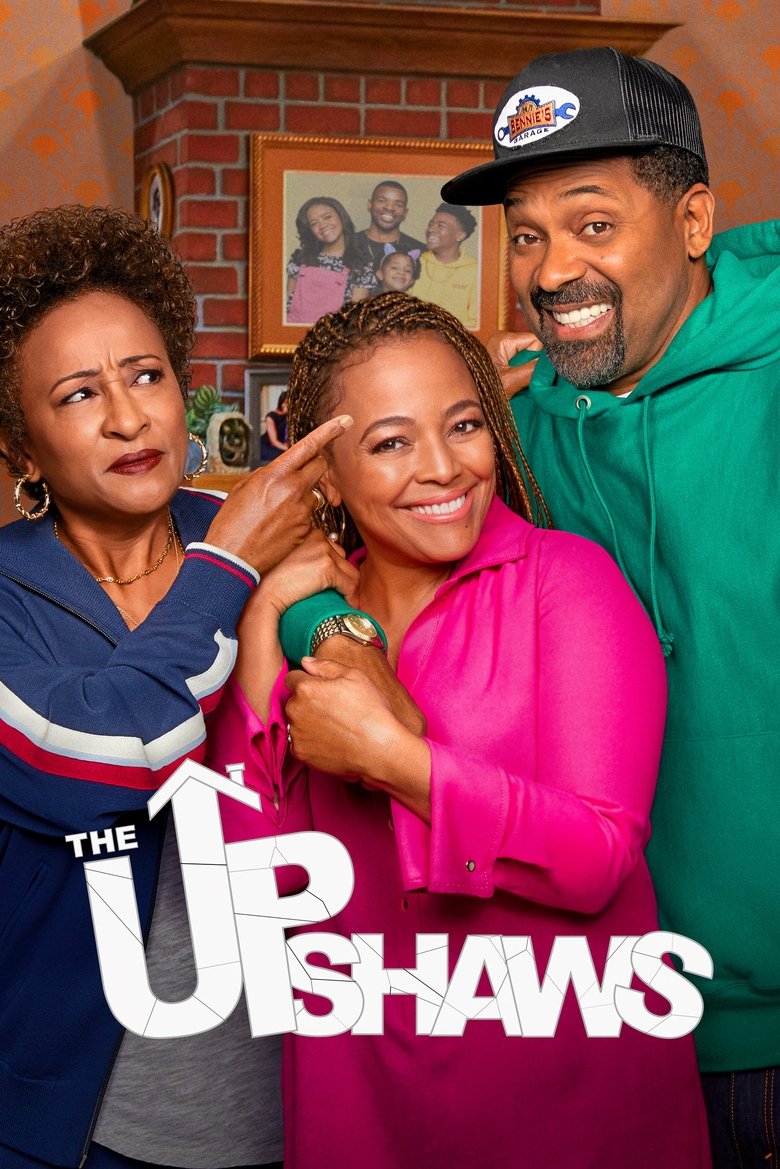
Bennie Upshaw, the head of a Black working class family in Indianapolis, is a charming, well-intentioned mechanic and lifelong mess just trying his best to step up and care for his family and tolerate his sardonic sister-in-law, all without a blueprint for success.
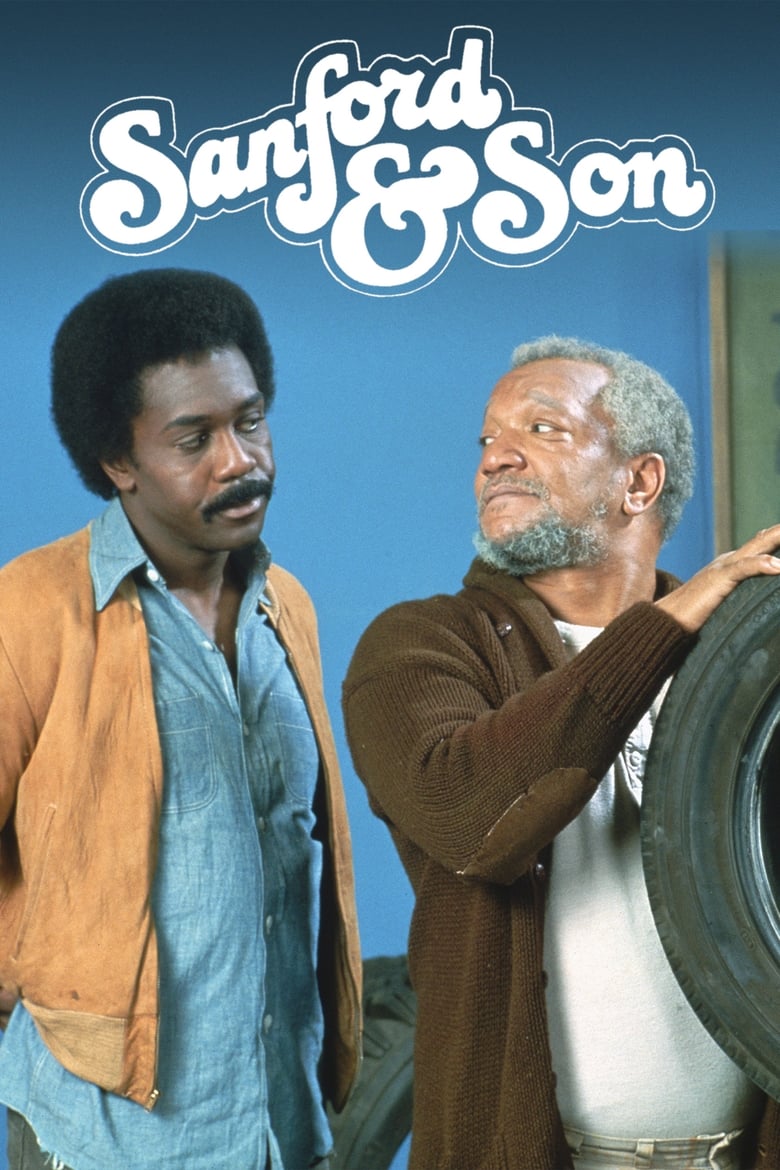
Rated 7.5 on TMDB
The misadventures of a cantankerous junk dealer and his frustrated son.
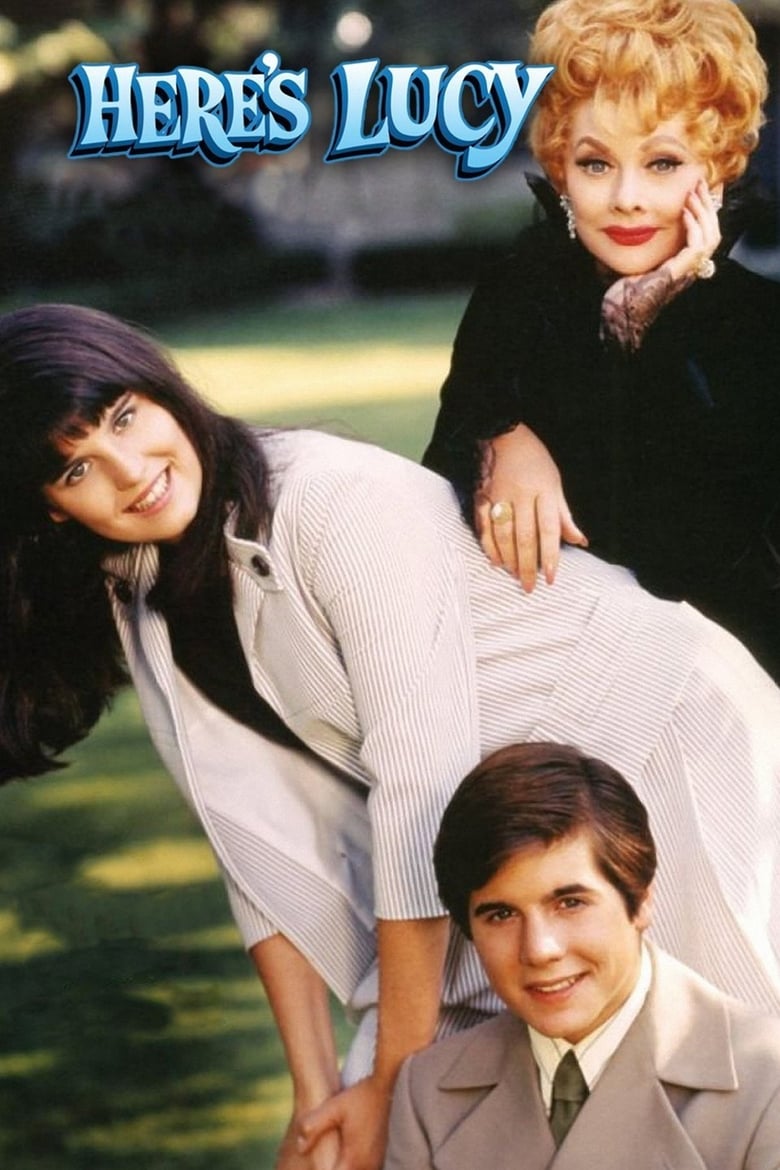
Rated 6.7 on TMDB
Lucille Ball's third network sitcom, following I Love Lucy (1951–57) and The Lucy Show (1962–68).
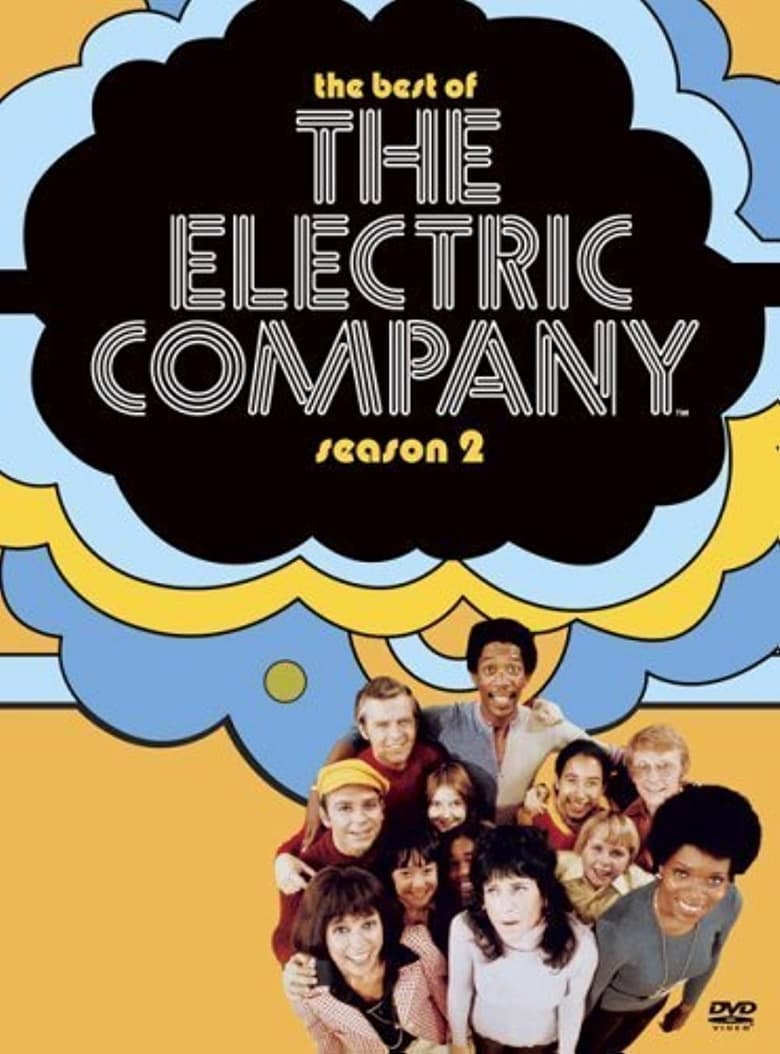
Rated 7.3 on TMDB
The Electric Company is an educational American children's television series that was produced by the Children's Television Workshop for PBS in the United States. PBS broadcast 780 episodes over the course of its six seasons from October 25, 1971 to April 15, 1977. After it ceased production that year, the program continued in reruns from 1977 to 1985, the result of a decision made in 1975 to produce two final seasons for perpetual use. CTW produced the show at Teletape Studios Second Stage in Manhattan, the first home of Sesame Street. The Electric Company employed sketch comedy and other devices to provide an entertaining program to help elementary school children develop their grammar and reading skills. It was intended for children who had graduated from CTW's flagship program, Sesame Street. Appropriately, the humor was more mature than what was seen there.